

Battery Storage Systems & The Future of Energy Independence
Renewable energy has transformed how homes and businesses generate electricity, but true energy independence is no longer defined by generation alone. The ability to efficiently store, manage, and distribute energy has become one of the most important components of modern sustainable infrastructure. As electricity demand continues increasing and energy systems become more decentralized, battery-storage technology is emerging as a critical solution for improving reliability, resilience, and long-term energy optimization.
Solar systems produce significant amounts of clean energy during daylight hours, yet energy consumption patterns rarely align perfectly with generation cycles. Without energy storage, excess electricity is often redirected to the grid, limiting the overall efficiency and independence of the system. Battery-storage infrastructure solves this challenge by allowing energy to be stored and used when demand is highest, creating more intelligent and self-sustaining energy ecosystems capable of operating with greater flexibility and stability.
The future of sustainable energy depends not only on how power is generated, but on how intelligently it is stored and managed.
Why Energy Storage Matters
Modern energy systems are increasingly influenced by fluctuating electricity costs, growing grid instability, extreme weather conditions, and rising energy consumption demands. Battery-storage systems help reduce dependency on conventional power grids by providing a reliable reserve of stored energy that can be used during outages, peak-demand periods, or times when renewable generation is temporarily unavailable.
For homeowners, energy storage provides greater control over household electricity usage while improving backup power reliability during utility disruptions. For businesses and commercial facilities, battery systems support operational continuity, reduce peak-demand charges, and improve long-term energy-cost predictability. In both cases, energy storage creates a more resilient infrastructure capable of adapting to changing operational and environmental conditions.
The Integration of Solar & Battery Ecosystems
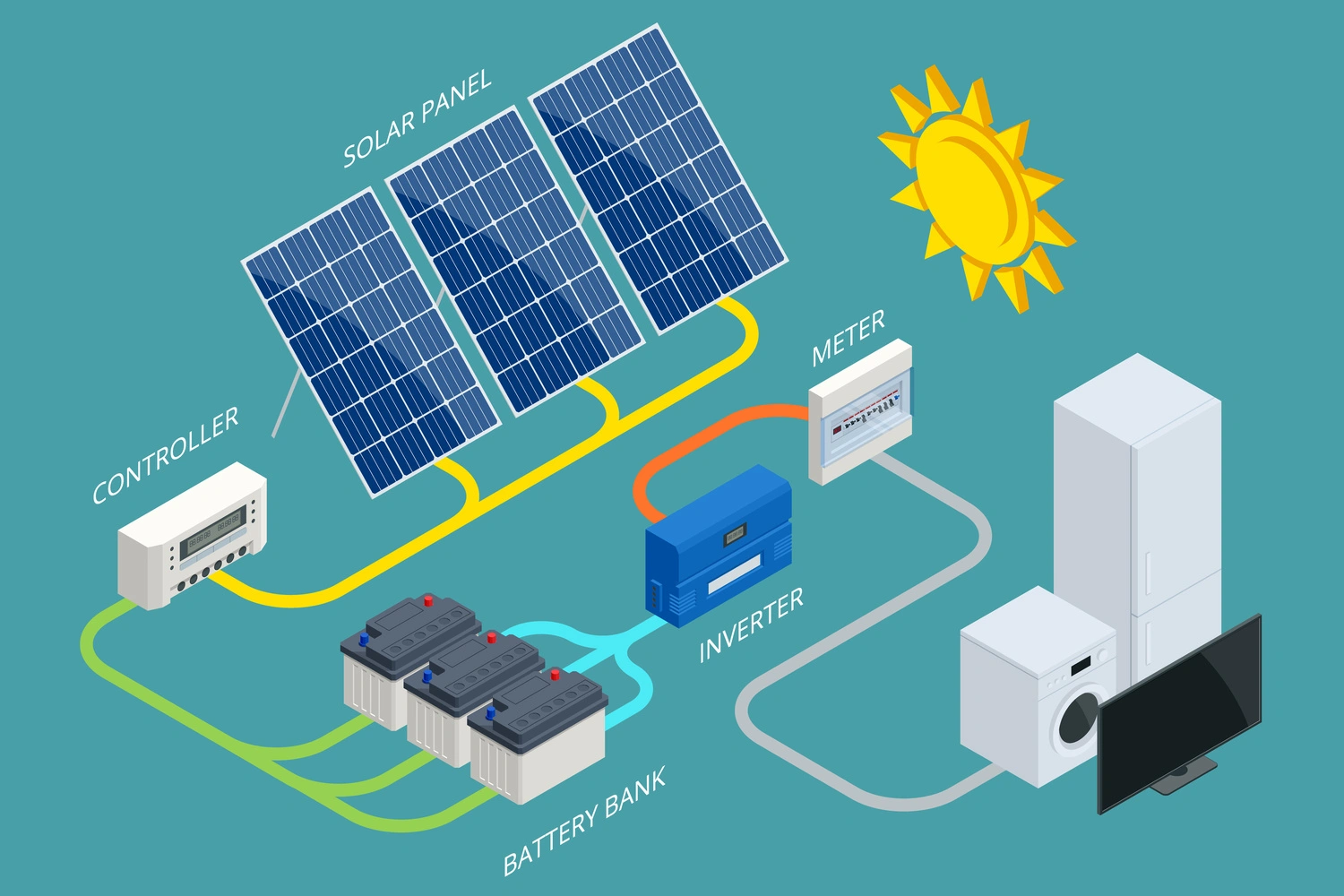
Battery storage becomes significantly more powerful when integrated directly with intelligent solar-energy systems. Together, solar generation and battery infrastructure create complete renewable-energy ecosystems capable of producing, storing, and distributing electricity efficiently throughout the day and night. This integration improves overall energy utilization while minimizing waste and reducing dependence on external utility providers.
Advanced battery systems can automatically detect energy-production trends, monitor electricity usage patterns, and optimize charging or discharge cycles based on operational requirements. Through smart-energy management, businesses and homeowners can prioritize critical systems, improve energy efficiency, and maintain greater control over electricity consumption during periods of fluctuating energy demand.
Modern energy-management software also enables real-time monitoring, remote system visibility, predictive maintenance alerts, and automated optimization strategies that enhance long-term system performance. These intelligent technologies transform renewable-energy systems into highly adaptive infrastructures capable of evolving alongside changing energy requirements.
Battery Storage & Grid Stability
As renewable-energy adoption continues increasing worldwide, power grids are facing greater complexity in balancing energy generation and demand. Unlike traditional energy systems that rely on centralized power production, renewable infrastructure introduces decentralized generation patterns that require more flexible and responsive grid management.
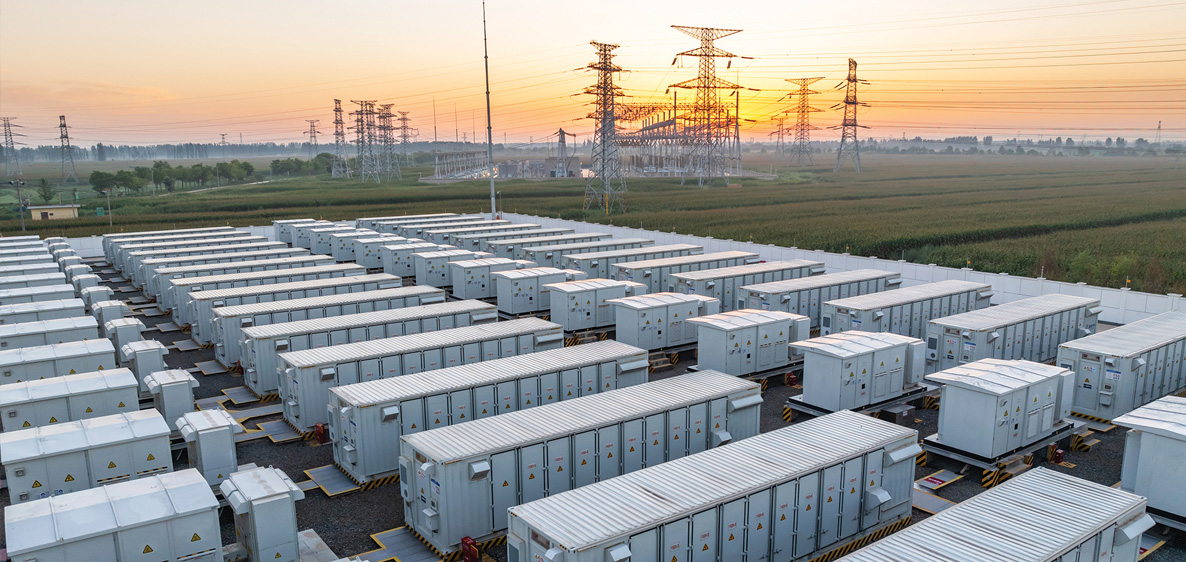
Battery-storage systems play a major role in stabilizing these modern energy networks by storing excess renewable electricity and supplying power back into the system when demand rises. This reduces strain on utility infrastructure, minimizes energy fluctuations, and supports more stable grid performance across residential, commercial, and industrial environments.
In large-scale infrastructure projects, battery systems also contribute to energy balancing, load shifting, and emergency backup support, making them essential components of future smart-city and sustainable infrastructure development initiatives.
The Economics of Energy Independence
While battery-storage technology was once considered a premium sustainability investment, advancements in manufacturing, scalability, and energy-management technologies have significantly improved accessibility and long-term financial viability. Businesses and homeowners increasingly view energy storage as a strategic investment that enhances both operational resilience and financial efficiency.
Energy storage can reduce electricity costs by minimizing reliance on expensive peak-hour grid energy and improving overall renewable-energy utilization. Over time, optimized storage systems contribute to lower operational expenses, greater energy predictability, and improved return on investment for renewable-energy infrastructure projects.
In addition, battery-storage integration supports long-term sustainability goals by enabling higher renewable-energy adoption rates while reducing fossil-fuel dependency and environmental impact. This makes energy storage not only a technological advancement but also a critical component of broader environmental and operational transformation strategies.
Conclusion
The future of renewable energy extends far beyond electricity generation alone. Intelligent battery-storage systems are becoming one of the foundational technologies driving modern energy independence, infrastructure resilience, and sustainable operational growth. As energy ecosystems continue evolving, the ability to efficiently store, manage, and optimize renewable electricity will play a central role in shaping future-ready residential, commercial, and industrial environments.
Through advanced battery integration, smart-energy management, and scalable renewable infrastructure planning, GreenPowerSocial helps businesses and homeowners build efficient energy ecosystems designed for long-term sustainability, operational stability, and intelligent energy optimization. By combining renewable generation with modern storage technologies, the company supports the transition toward cleaner, smarter, and more resilient energy environments prepared for the future of sustainable living.
Leave a Reply