

The Rise of EV Charging Networks in Smart Cities
Urban transportation is entering a major transformation driven by electrification, sustainability goals, and intelligent infrastructure planning. As electric vehicles continue becoming a mainstream part of modern mobility, cities and businesses are rapidly investing in charging infrastructure capable of supporting the growing demand for cleaner and more efficient transportation systems.
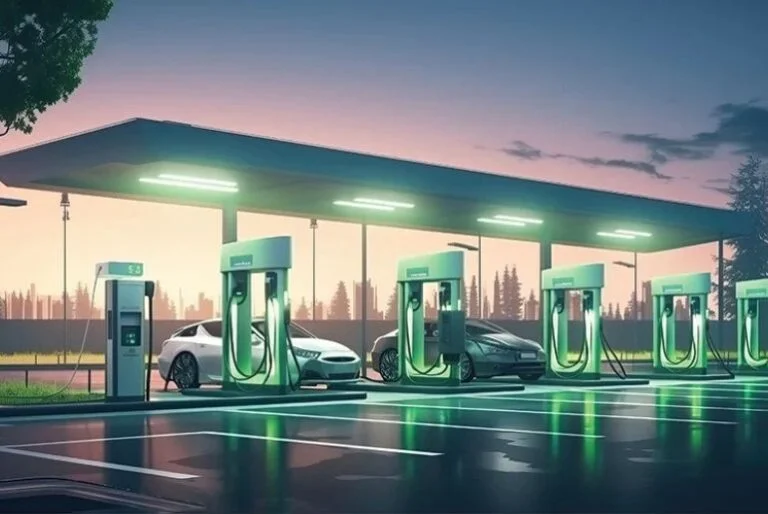
EV charging networks are no longer viewed as isolated utility stations. They are becoming integrated components of future-ready urban ecosystems connected with renewable energy, smart-grid infrastructure, commercial environments, residential developments, and public transportation systems. This shift is reshaping how modern cities approach mobility, energy distribution, and sustainable infrastructure planning.

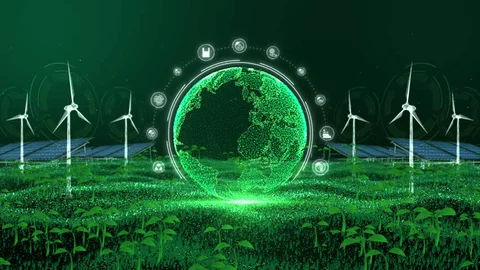
Intelligent mobility depends on infrastructure that connects transportation, renewable energy, and smart urban development into one sustainable ecosystem.
Electric Mobility Beyond Transportation
The rapid growth of electric vehicles represents more than a transportation trend. It reflects a broader shift toward cleaner infrastructure, energy-efficient urban planning, and reduced environmental impact across modern cities. Governments, businesses, and infrastructure developers are increasingly recognizing that sustainable transportation requires a complete ecosystem capable of supporting long-term electrification.
EV charging systems now play a critical role in residential complexes, office environments, retail centers, hospitality properties, industrial facilities, and public infrastructure projects. Access to reliable charging infrastructure is becoming an important operational and commercial consideration for both businesses and property developers aiming to align with future mobility demands.
Integration with Renewable Energy Systems
One of the most important developments in modern EV infrastructure is its integration with renewable-energy systems such as solar power and battery-storage ecosystems. Charging stations powered by renewable electricity help reduce dependency on fossil-fuel-based energy grids while improving overall sustainability performance.
Solar-powered EV charging environments create a more self-sustaining energy model where electricity generation, storage, and vehicle charging operate together within a connected infrastructure ecosystem. Combined with smart-energy management systems, these environments can optimize charging schedules, reduce peak-energy demand, and improve operational efficiency across both residential and commercial properties.
Battery-storage integration further enhances reliability by storing renewable energy for use during high-demand charging periods, nighttime operation, or temporary grid disruptions. This creates more resilient and scalable charging infrastructure capable of supporting long-term urban mobility growth.
Commercial Impact of EV Infrastructure
Businesses across multiple industries are beginning to view EV charging infrastructure as both a sustainability investment and a competitive advantage. Commercial properties equipped with modern charging systems are becoming increasingly attractive to customers, tenants, employees, and visitors who prioritize electric mobility access.
Retail centers, hotels, office spaces, and mixed-use developments are integrating EV charging solutions directly into their operational infrastructure to support evolving consumer behavior and future-ready property positioning. In many cases, charging infrastructure also contributes to stronger brand perception by reinforcing environmental responsibility and innovation-focused business strategies.
As electric vehicle adoption accelerates globally, organizations that invest early in charging ecosystems position themselves more effectively for long-term infrastructure relevance and operational adaptability.
Smart Cities & Connected Infrastructure
Smart-city development increasingly depends on interconnected systems capable of improving energy efficiency, mobility, sustainability, and digital infrastructure management. EV charging networks contribute directly to this transformation by functioning as intelligent infrastructure nodes connected to broader energy and transportation ecosystems.
Advanced charging platforms now include features such as real-time monitoring, automated billing, predictive maintenance, mobile integration, smart-grid communication, and AI-driven energy optimization. These technologies improve operational efficiency while enabling infrastructure managers to better balance electricity distribution and charging demand across urban environments.
The expansion of connected charging infrastructure also supports broader environmental objectives by encouraging greater electric vehicle adoption, lowering transportation emissions, and reducing long-term urban pollution levels.
Future Outlook
The future of mobility will increasingly depend on infrastructure that combines renewable energy, intelligent automation, and scalable transportation systems into a unified operational model. EV charging networks are expected to become foundational components of modern residential developments, commercial environments, public infrastructure projects, and sustainable urban ecosystems.
As technology continues evolving, charging systems will become faster, more energy-efficient, more connected, and increasingly integrated with renewable-energy ecosystems. This evolution will strengthen the relationship between sustainable transportation and intelligent infrastructure planning across future cities worldwide.
Conclusion
Electric mobility is reshaping modern infrastructure at both technological and urban-development levels. The expansion of EV charging networks represents a major step toward cleaner transportation systems, smarter energy management, and more sustainable city environments capable of supporting future mobility demands.
GreenPowerSocial supports this transition through intelligent renewable-energy integration, EV infrastructure planning, and scalable sustainable-energy solutions designed for residential, commercial, and future-ready urban environments. By combining clean-energy systems with advanced charging ecosystems, the company helps create infrastructure built for long-term sustainability, operational efficiency, and connected mobility.
Leave a Reply